
Sleep occupies approximately one-third of our lives, often transporting us to the extraordinary realm of dreams within our subconscious minds. We experience these nightly narratives, waking with fragmented memories and a sense of wonder, whether the dream was pleasant or unsettling. While many enjoy daydreaming and living in virtual worlds, this differs significantly from the unique originality of our true nocturnal dreams.
Despite a common scientific belief that dreams hold little influence over our waking lives, researchers at MIT are challenging this notion. They have developed innovative devices designed to potentially ‘hack’ or interact with your dreams, aiming to demonstrate the profound value of the subconscious mind.
Unlocking the Potential: Hacking Your Dreams
At MIT’s Dream Lab, a dedicated team of researchers is pioneering wearable devices. They assert that these innovations can profoundly influence dreams, potentially leading to more restorative sleep and a more productive start to your day, with even greater benefits for daily life.
“Dreaming is essentially thinking during the night,” explains Adam Horowitz, a PhD student at MIT Media Lab’s Fluid Interfaces Group and a key researcher at the Dream Lab. He emphasizes, “When you delve into this nocturnal state, you emerge transformed in the morning. Yet, we haven’t adequately explored the experience of this information transformation or the thoughts that govern it.”
While earlier dream research suggests that dreams can significantly improve memory consolidation, emotional regulation, and overall mental well-being, the Dream Lab takes this inquiry a step further. Their researchers are actively seeking to uncover the deeper purpose of dreams in our lives and investigate the effects of direct interference. The novel, open-sourced wearable devices they’ve developed track and interact with dreams in diverse ways. Their ultimate goal is to demonstrate that dreams can indeed be hacked, augmented, and influenced, thereby bringing tangible benefits to our waking lives.
Horowitz points out, “Many individuals are unaware that a significant third of their lives, spent sleeping, presents an opportunity for personal growth, restructuring, and self-improvement.” He adds, “Whether the goal is memory augmentation, enhancing creativity, boosting mood the following day, or even improving test performance, there are numerous practical applications achievable during sleep.”
Accessing the Subconscious: How MIT Researchers Influence Dreams
Humans naturally transition into a subconscious state known as ‘hypnagogia’—a fleeting period between full wakefulness and deep sleep, just before falling asleep. This semi-lucid phase is the primary focus of the Dream Lab’s research. Two distinct projects have emerged from their work: one designed to influence dreams through sound, and another through smell.
Dormio: Influencing Dreams Through Auditory Cues
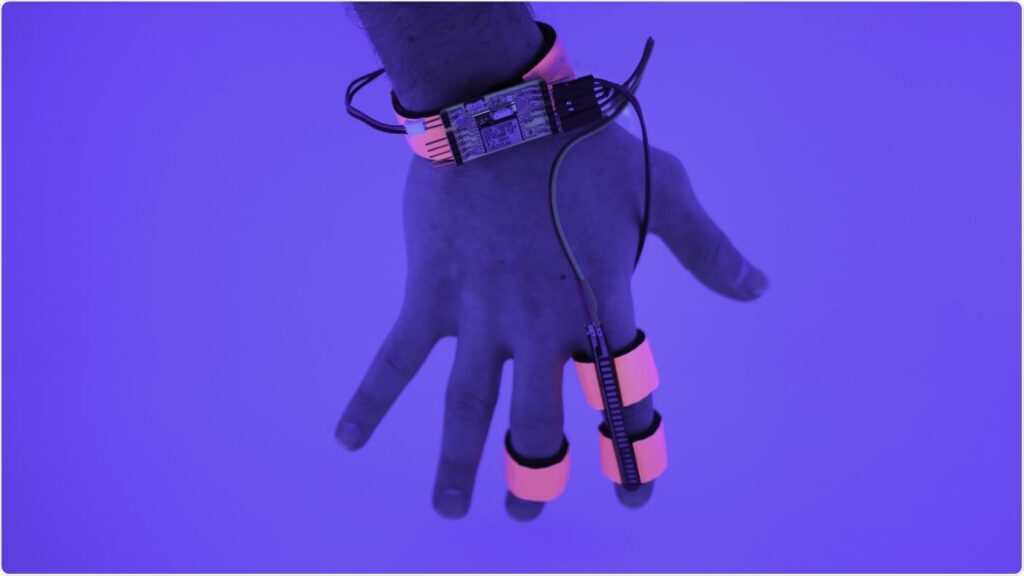
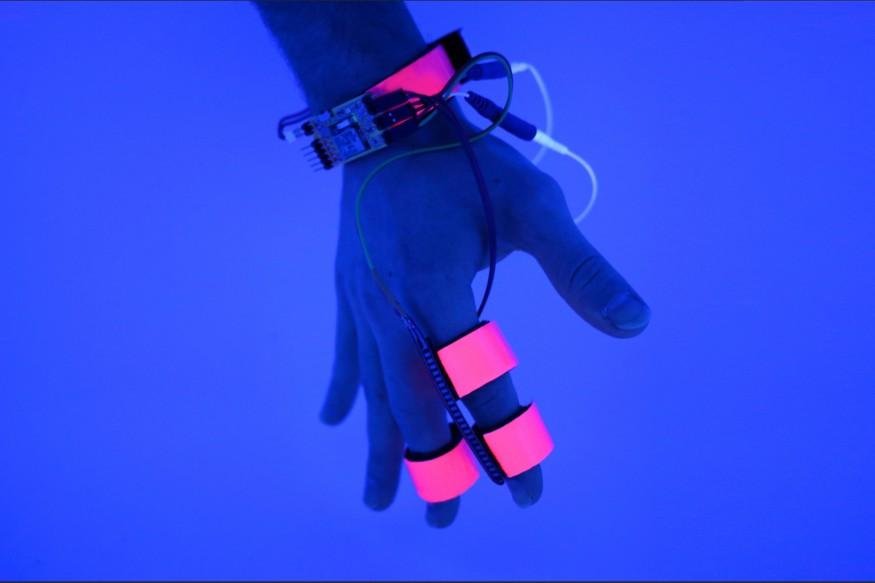
Central to Horowitz’s research is ‘Dormio,’ an innovative, glove-like wearable device. Equipped with sensors around the wrist and fingers, Dormio monitors muscle tone, heart rate, and skin conductance to precisely identify different sleep stages. This device engages an individual’s hypnagogic state using a pleasant, prerecorded audio cue—often a single repeating word—and simultaneously records any user responses.
Studies involving 50 participants revealed that when the audio cue was the word ‘tiger,’ users frequently reported dreams featuring tigers or other feline creatures. Horowitz explains, “In dreams, we’re essentially integrating any sensory input into a cohesive narrative.” He further elaborated that Dormio leverages this transitional hypnagogic state to potentially enhance cognitive abilities and foster human creativity.
BioEssence: Scent-Based Dream Manipulation
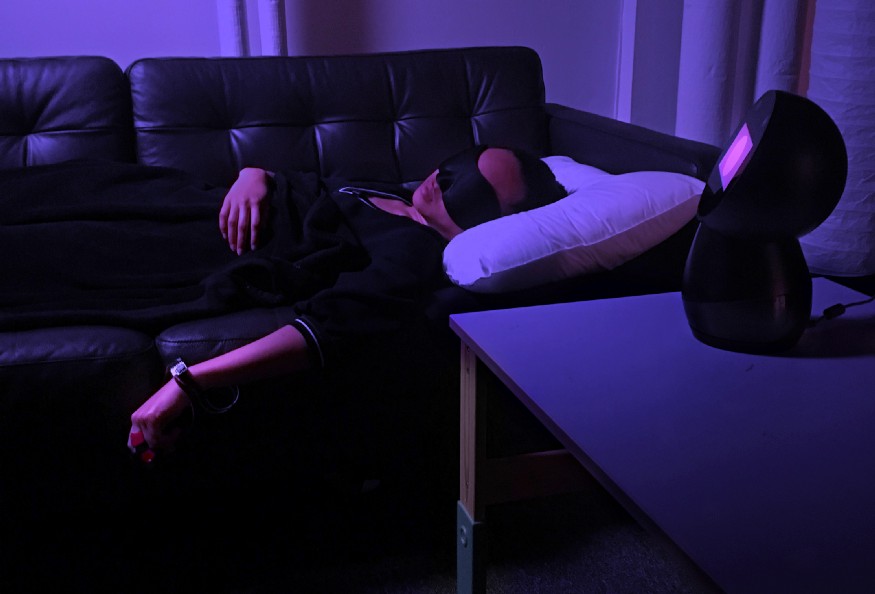
Building on dream research, Judith Amores, another Dream Lab researcher and PhD candidate at the MIT Media Lab, has explored a novel approach: accessing the subconscious through scent. Her project, BioEssence, is a wearable scent diffuser designed to release aromas during the ‘dreamy state.’ It continuously monitors heart rate and brain waves to ensure the individual remains in the target sleep stage. The chosen scents are linked to memory consolidation, aiming to associate users with specific memories or learned behaviors. By exposing the sleeping mind to these scents, the subconscious can potentially strengthen memories, with the added benefit that smell is less likely to cause awakening compared to auditory or tactile triggers.
Amores highlights the unique aspect of olfaction: “The sense of smell is exceptionally intriguing because it forms a direct connection to the brain’s memory and emotional centers—specifically, the amygdala and the hippocampus.” She adds, “This direct link offers a highly promising gateway to enhancing overall well-being.”
Currently, Amores is conducting research to demonstrate that BioEssence could serve as a valuable tool for modifying maladaptive memories, particularly those linked to trauma and Post-Traumatic Stress Disorder (PTSD).
Potential Drawbacks of Dream Manipulation
Some argue that the most beneficial approach for humans is to allow natural processes to unfold. In contrast to these dream researchers, Dr. Rubin Naiman, a sleep and dream expert from the University of Arizona, asserts that the true significance and power of sleep and dreams reside in their capacity for natural, undisturbed development. He views interference with these processes as presumptuous. Naiman warns that the hypnagogic state, being a fragile bridge between wakefulness and sleep, could lead to ‘sleep-onset insomnia’ if tampered with.
Despite these concerns, various researchers continue to actively pursue dream hacking. Notably, Deidre Barrett, a Harvard Professor and respected dream researcher, is currently developing a study utilizing Dormio to assess its potential for enhancing artistic creativity.
While Dream Lab researchers do not consider their work unnatural, they acknowledge that the concept of dream hacking might appear unsettling to some. Their video, titled ‘Cocoon,’ illustrates an individual undergoing this process, appearing wired and enclosed in a bubble as the dream-hacking technology is applied.
References:
- https://thenextweb.com/neural/2020/04/14/mit-scientists-can-hack-your-dreams-with-sounds-and-smells/
- https://onezero.medium.com/an-mit-lab-is-building-devices-to-hack-your-dreams-d1a10ff932e3
Join our community by subscribing to our Weekly Newsletter to stay updated on the latest AI updates and technologies, including the tips and how-to guides. (Also, follow us on Instagram (@inner_detail) for more updates in your feed).
(For more such interesting informational, technology and innovation stuffs, keep reading The Inner Detail).
